
.jpg)
The first weeks of June were significant for the e-NG Coalition's international advocacy efforts and for the role of renewable methane within an evolving global policy landscape. Across major international forums, the Coalition was present in the rooms where the next generation of sustainability frameworks, energy strategies, accounting methodologies, and demand-side policies are being shaped.
Taken together, the International Energy Agency's (IEA) workshop on delivering the Belém Pledge, the Clean Energy Ministerial (CEM) Senior Officials' Meeting, and the Molecule Group Workshop in Brussels highlight both the opportunities and challenges facing renewable gases. They also reinforce the need for sustained and technically rigorous engagement to ensure that renewable methane is fully recognized within global decarbonization pathways.
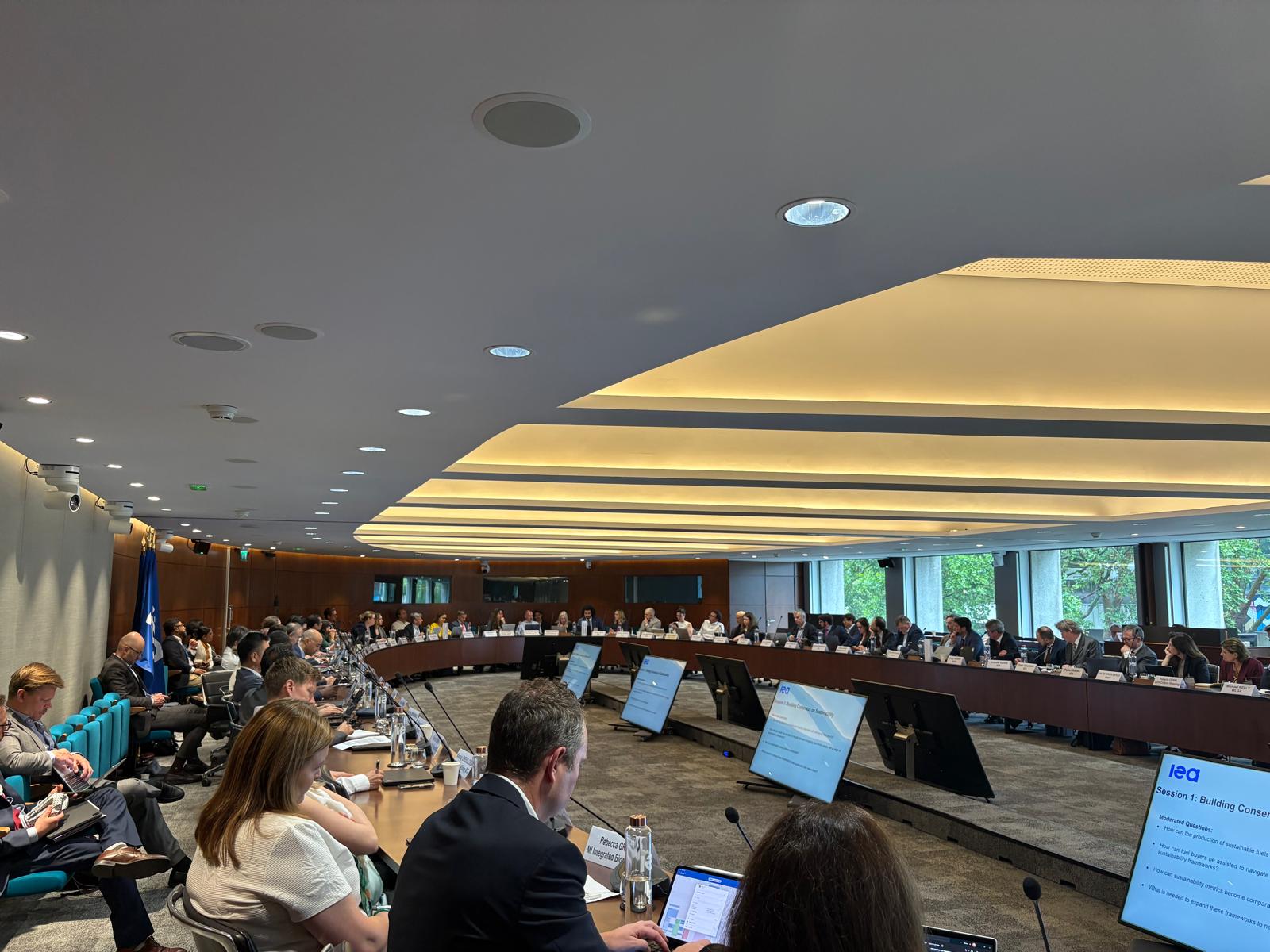
The month began in Paris, where the IEA convened a closed‑door workshop on policy design for sustainable fuels: an invitation‑only gathering of governments, international organizations, industry leaders, and technical experts. Around 90 organizations were present, placing the e‑NG Coalition among a select group shaping the operationalization of the Belém pledge.
The discussions highlighted growing interest in harmonized lifecycle accounting methodologies and greater interoperability between sustainability certification systems. They also reinforced an important reality: sustainable biomass resources are limited, increasing the importance of complementary pathways capable of delivering large-scale decarbonization without competing for agricultural land.
The opening session, “Building consensus on sustainability,” focused heavily on the food–energy–fertilizer nexus. Participants emphasized that today’s pressures stem primarily from an input‑cost shock (energy and fertilizer) rather than a food‑supply shock, and that simplistic “food vs. fuel” narratives risk obscuring the need for integrated policy approaches. Much of the debate centered on land use, biodiversity, and the fragmentation of sustainability metrics across jurisdictions. Yet two threads were particularly advantageous for renewable methane:
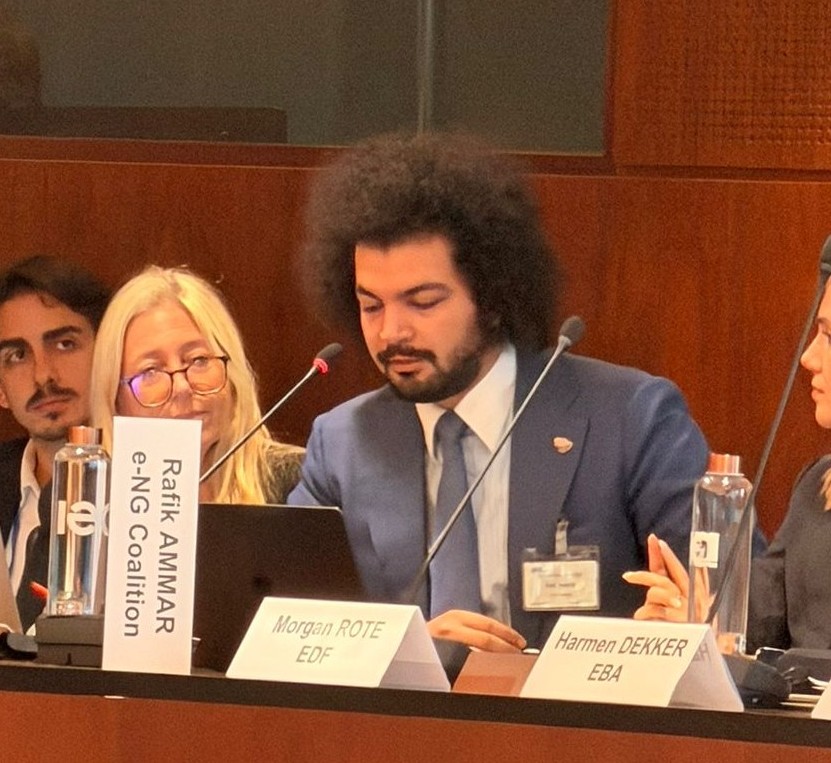
Against this backdrop, the Coalition made a direct and strategic intervention. We emphasized that e‑methane remains the only molecule explicitly named in the Belém pledge, a recognition that must not be diluted as the conversation widens to other fuels.
We underlined that e‑NG is land‑neutral, does not draw on arable land or food feedstocks, and is fully compatible with existing gas grids, LNG terminals, storage, and LNG‑capable ships. These characteristics make it uniquely aligned with the sustainability concerns dominating the workshop. We also welcomed the move toward a single, rigorous well‑to‑wake methodology applied equally to all fuels, while cautioning that methane slip must be measured using real‑world data and that demonstrated abatement must be credited rather than penalized on worst‑case assumptions.
Finally, we argued for explicit inclusion of e‑NG in emerging sustainability frameworks, with certification routes aligned to existing biomethane and RFNBO rules to avoid unnecessary reinvention.
The workshop confirmed that the global conversation is moving toward rigorous, harmonized, technology‑inclusive accounting, which is a direction that suits renewable methane exceptionally well. But it also revealed how easily the debate can be crowded by biomass‑centric concerns unless we continue to articulate clearly that e‑NG sits outside the food‑security tension entirely.
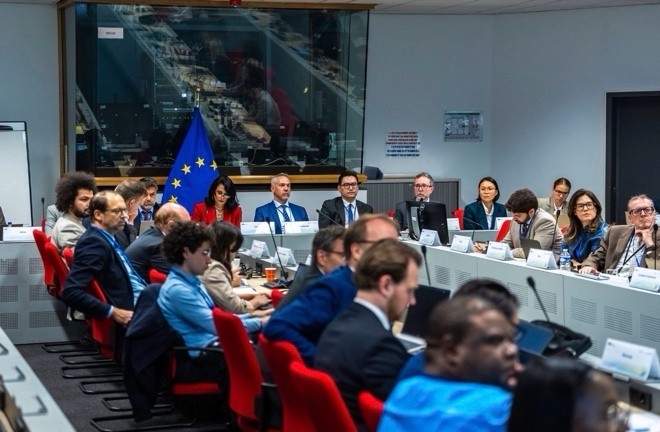
Immediately after Paris, the Coalition attended the CEM Senior Officials’ Meeting in Brussels. The CEM is vast, with numerous sessions running in parallel, and much of its value lies in the margins, as for example, the bilateral conversations that shape how positions travel into formal processes.
The centerpiece for us was the half‑day Transport & Energy session chaired by Transport Canada, which brought together energy and transport ministries, international organizations, industry, and a small number of civil‑society representatives.
Two framings dominated the session, and both are favorable to renewable methane:
Yet the session also revealed a significant risk. The preliminary maritime fuel modeling presented framed the synthetic fuel pathway almost entirely around ammonia and methanol, with the LNG pathway and renewable methane (both biomethane and e‑methane) essentially absent. Early discussions on maritime fuels have tended to centre on a narrow set of synthetic pathways, and the Coalition is engaging directly to ensure renewable methane is fully represented. Taken together, these signals risk writing renewable methane out of the maritime decarbonization story before the analysis is even finalized. Given that the forthcoming CEM Hubs Blueprint will feed directly into ministerial discussions at CEM17, this is not a gap we can afford to leave unaddressed.
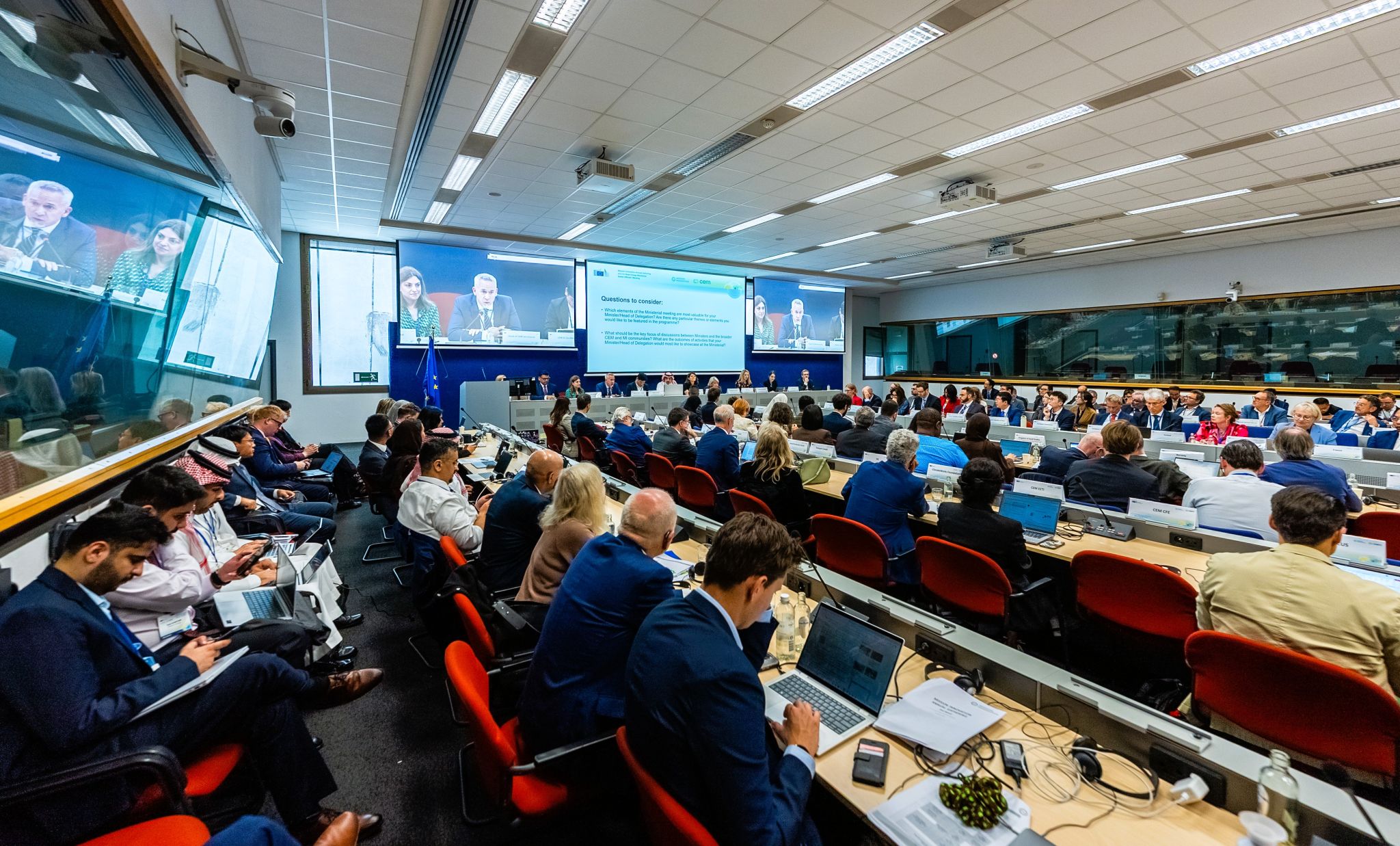
To correct this trajectory, the Coalition secured a seat on IRENA’s expert review group for the CEM Hubs Blueprint, ensuring that renewable methane and the LNG pathway are properly reflected before the report is finalized. This is a critical intervention at a critical moment.
During the discussion on the proposed Transportation Decarbonization Initiative (TDI), a new cross modal campaign Canada is shepherding, the Coalition took the floor. Rather than echo concerns about duplicating existing workstreams, we argued that the most valuable contribution the CEM could make is to strengthen and harmonize carbon accounting and MRV frameworks so that all fuels capable of meeting regulatory and voluntary targets can be monitored, reported, and verified consistently. We noted that the GHG Protocol’s work to harmonize with ISO is welcome but not yet sufficient, and that helping countries converge on methodologies would do more for industry than any new label. Carbon accounting remains the decisive battleground for e‑NG, and it was essential to place our position clearly on the record.
On the margins, the Coalition held bilateral discussions with several countries, including China, Japan, Uruguay, Italy, etc., around the world and some representatives of e-NG potential market, as well as with international organizations and major corporates. These conversations focused on:
These relationships are where influence is built, and they matter as much as the plenary.
The TDI will begin with a gap analysis and is expected to launch later this year, with major political moments at CEM17 in Riyadh and COP31 in Türkiye. The Coalition will continue pressing for renewable gases to be fully integrated into the CEM’s carbon accounting workstream and will represent the sector in the IRENA expert review to close the maritime pathway gap.
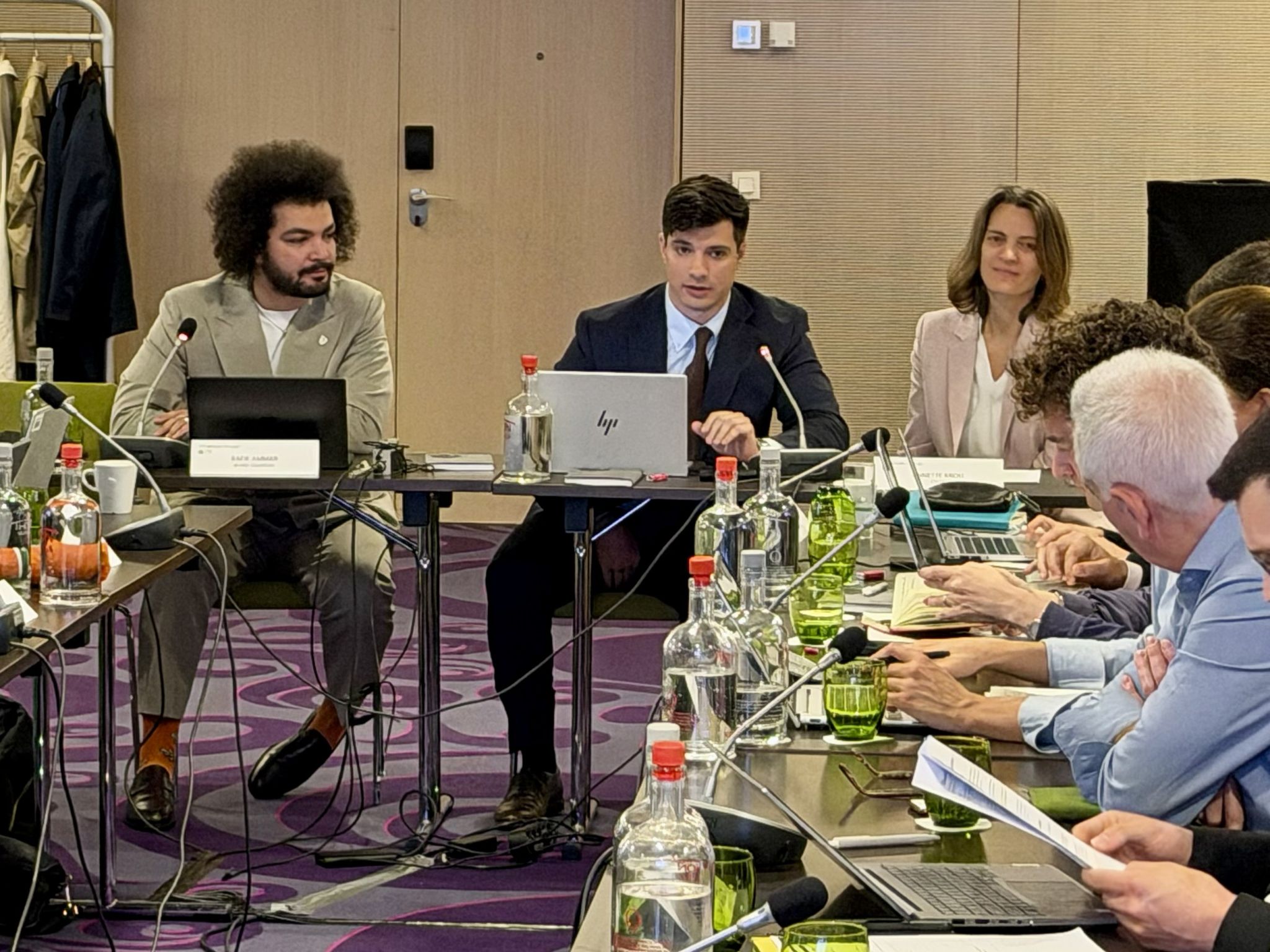
The policy discussions continued in Brussels through the Molecule Group Workshop, which brought together stakeholders from across the renewable gas value chain to examine one of the most important issues currently facing the sector: impact accounting.
As renewable gas markets continue to develop, accounting methodologies are becoming increasingly important for investment decisions, policy development, sustainability reporting, and market recognition. Ensuring that the climate benefits of renewable gases are measured accurately and consistently is essential to creating the conditions needed for long-term growth.
The e-NG Coalition played an active role in these discussions. Our Policy Director, Rafik Ammar, co-chaired the workshop's Impact Accounting session alongside Annette Kroll of ENGIE.
The session explored ongoing developments in greenhouse gas accounting methodologies, certification systems, sustainability reporting frameworks, and approaches to measuring the environmental performance of renewable fuels.
During the discussion, the Coalition presented the Let Green Gas Count campaign as an example of industry efforts to promote robust, transparent, and technology-neutral carbon accounting frameworks. The campaign continues to advocate for accounting approaches that accurately reflect the environmental benefits of renewable gaseous fuels while supporting market development and investment certainty.
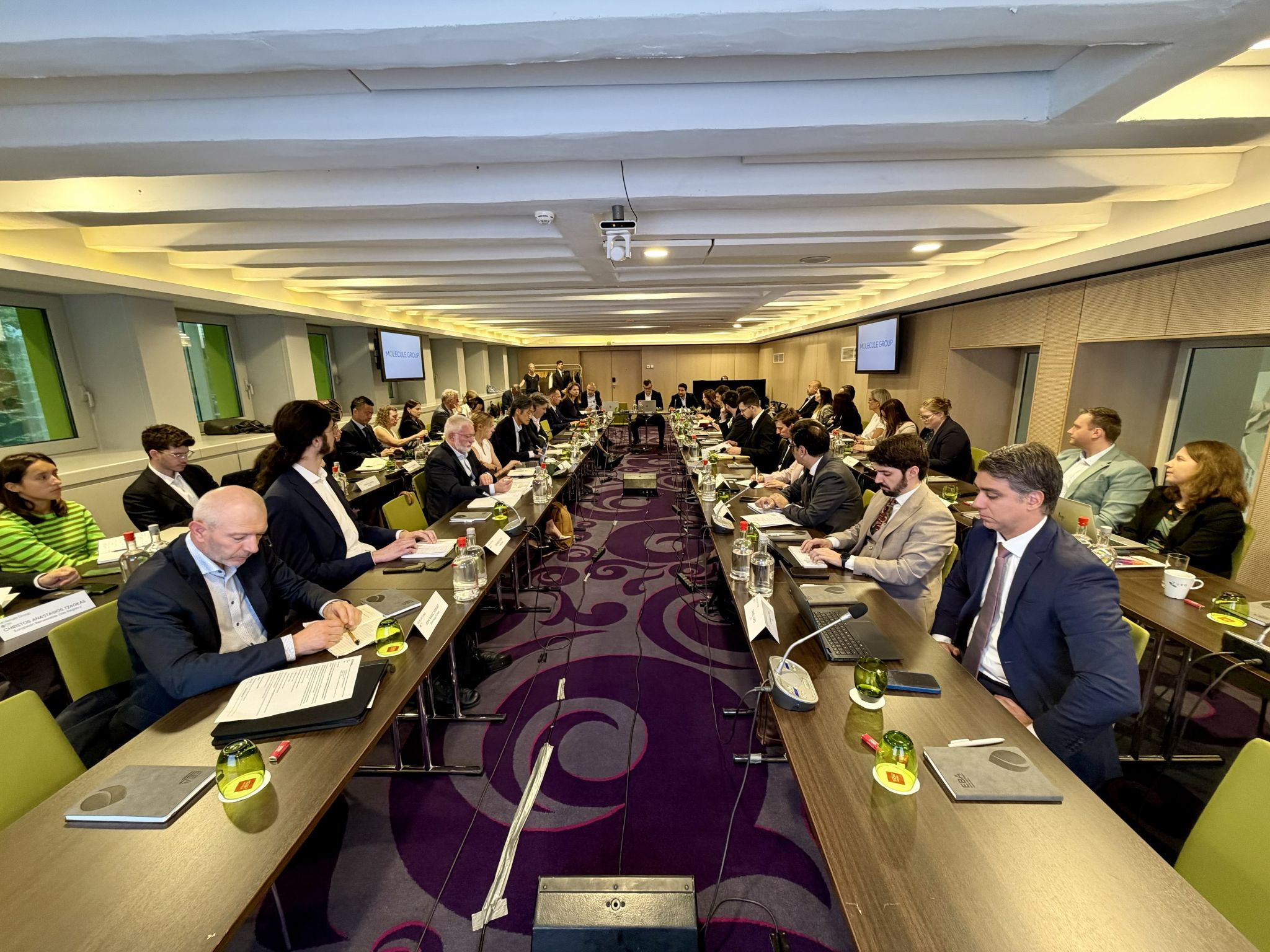
The Coalition also presented Japan's SHK System, highlighting how national emissions accounting and reporting frameworks can contribute to transparency, consistency, and credibility. The discussion provided an opportunity to exchange experiences across regions and examine how greater alignment between accounting systems can support international renewable gas markets.
A recurring message throughout the workshop was that the success of the energy transition will depend not only on scaling renewable fuel production, but also on establishing internationally recognized methodologies for measuring environmental performance.
The discussions echoed themes that emerged at both the IEA and CEM meetings: accounting frameworks matter. They increasingly shape investment decisions, influence policy design, and determine how renewable fuels are recognized within both compliance and voluntary markets.
Taken together, the developments of these past weeks reveal a global landscape in motion.
The IEA workshop demonstrated that sustainability discussions are moving toward harmonized and technology-inclusive methodologies. The CEM showed that energy security is becoming a central pillar of decarbonization strategies, creating new opportunities for renewable gases while also highlighting the importance of ensuring renewable methane is fully represented in future modeling and policy frameworks.
Meanwhile, the Molecule Group Workshop reinforced the growing importance of carbon accounting and impact assessment as foundational elements of the energy transition.
Across all three events, three key messages emerged:
The Coalition's presence across these forums ensured that renewable methane was not only represented but strategically positioned within some of the most important policy discussions shaping the future of the energy transition.
As global policy discussions continue to evolve, ensuring that renewable methane is fully recognized and integrated into future policy, sustainability, and carbon accounting frameworks will remain a key priority for the Coalition.
-------------------------------------------------------------------------------------
For more information, contact Mariana Tostes at mariana.tostes@eng-coalition.org
.jpg)
.jpg)
.jpg)