Library
The e-NG Coalition Library.
Technical articles
Expert insights into e-NG.
Life Cycle Assessment: Measuring e-NG Across the Full Value Chain
Certification and Traceability for Renewable Gases
Infographics
Complex topics. Made clear.
Find the Coalition's visual explainers and didactic material in one place, ready to open, share and revisit.
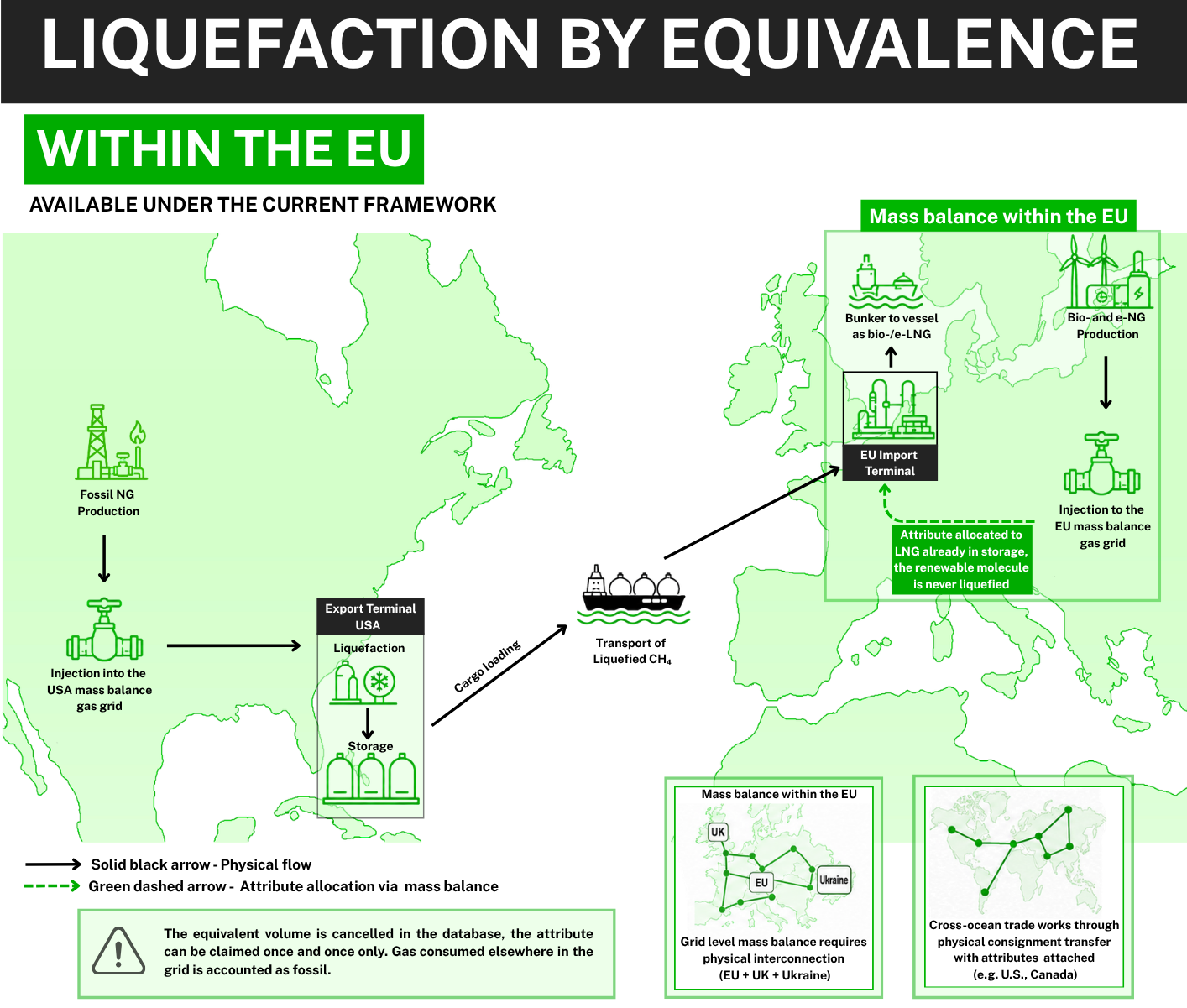
Infrastructure explainer · PNG
Liquefaction by equivalence within the EU
See how physical flows and renewable attributes can move through interconnected gas and LNG infrastructure.
Open infographic ↗
Carbon accounting · PNG
How the ETS obligation follows captured fossil CO₂
Understand where the carbon surrender obligation is assigned across capture, fuel production and final use.
Open infographic ↗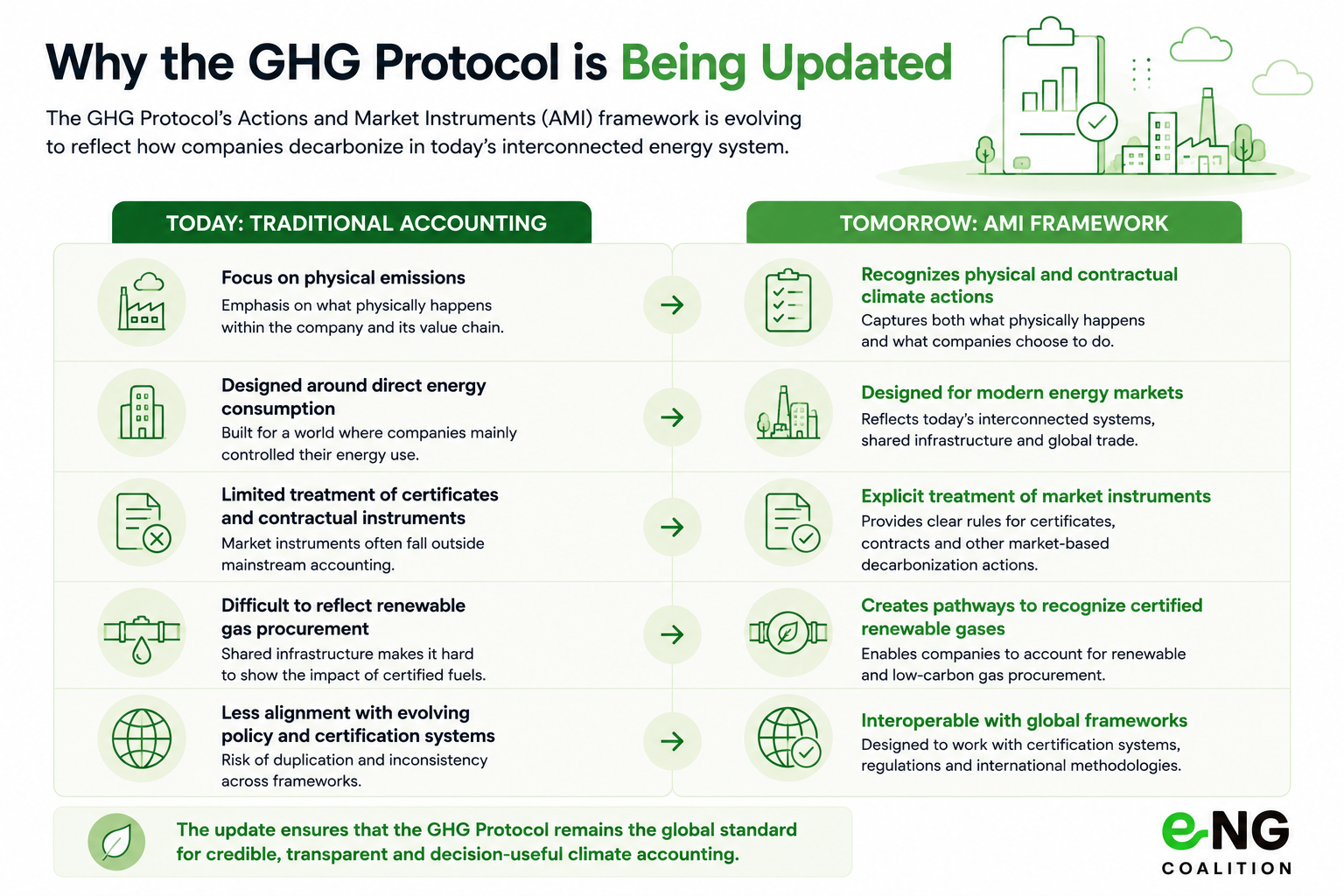
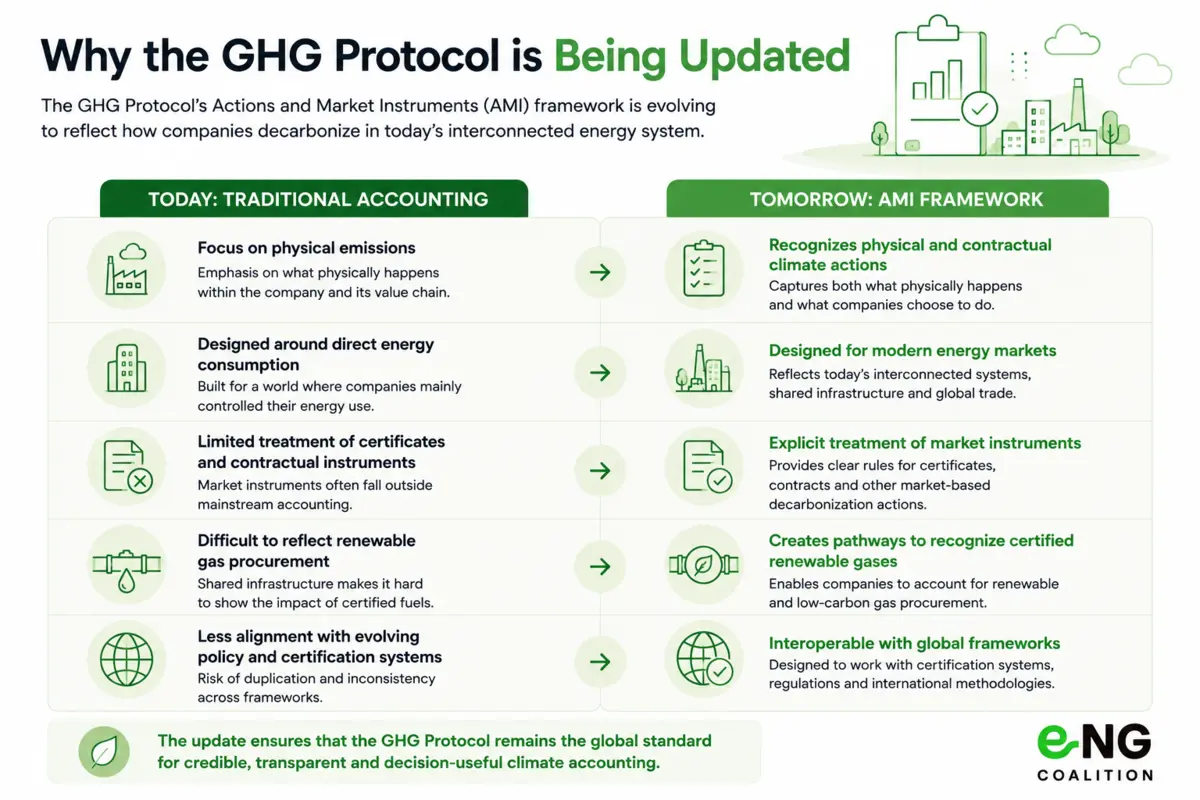
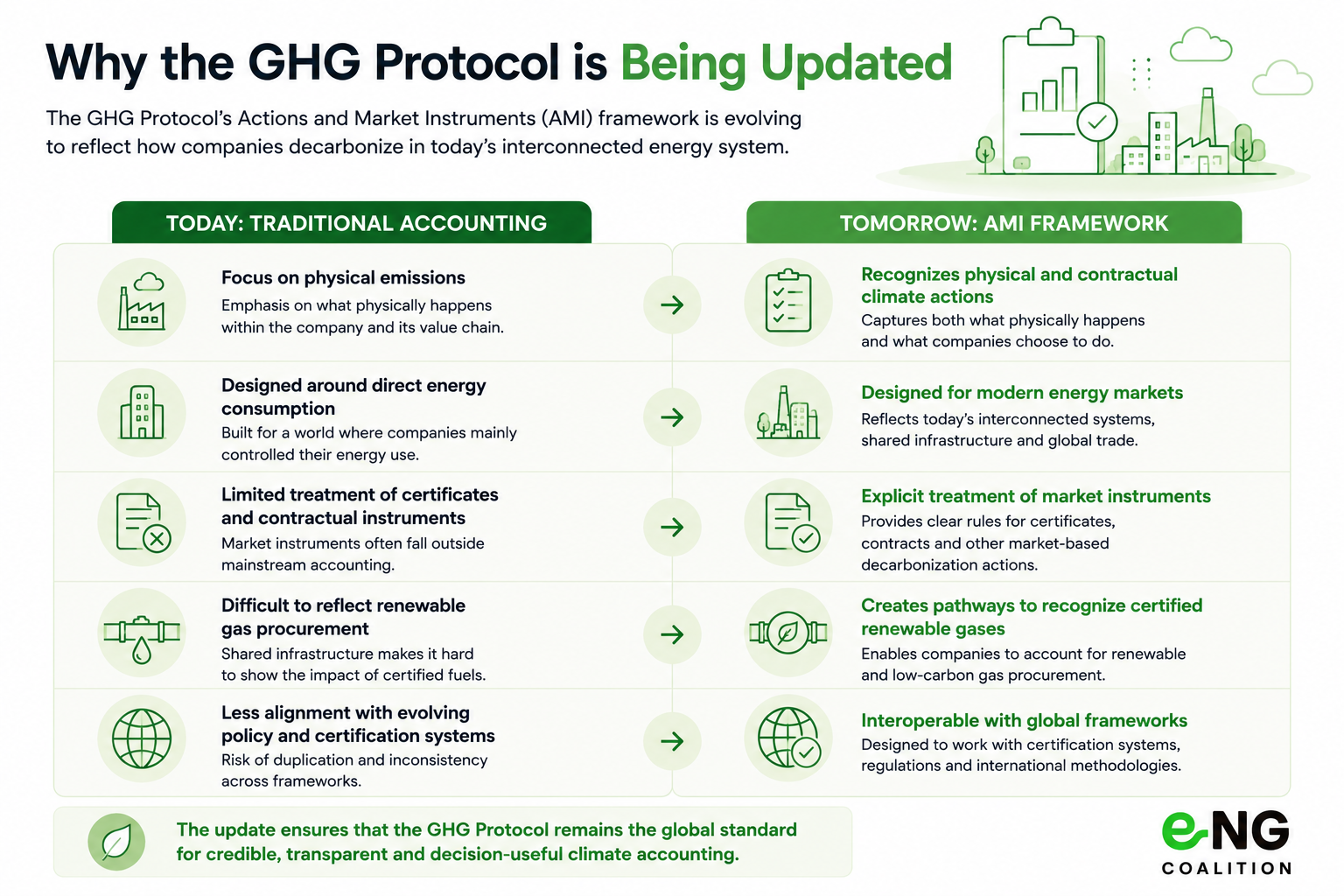
GHG Protocol · PNG
Why the GHG Protocol is being updated
Compare traditional emissions accounting with the emerging treatment of contractual climate actions and renewable gases.
Open infographic ↗Resources
Research made useful.
Explore the live GHG Standards Tracker and browse the Coalition's research and tools. Downloads are reserved for Coalition members; non-members can request access through our contact form and discuss membership with the Coalition team.

Policy intelligence tool · 2026
01 / Member LibraryGHG Standards Tracker
01Policy intelligence tool
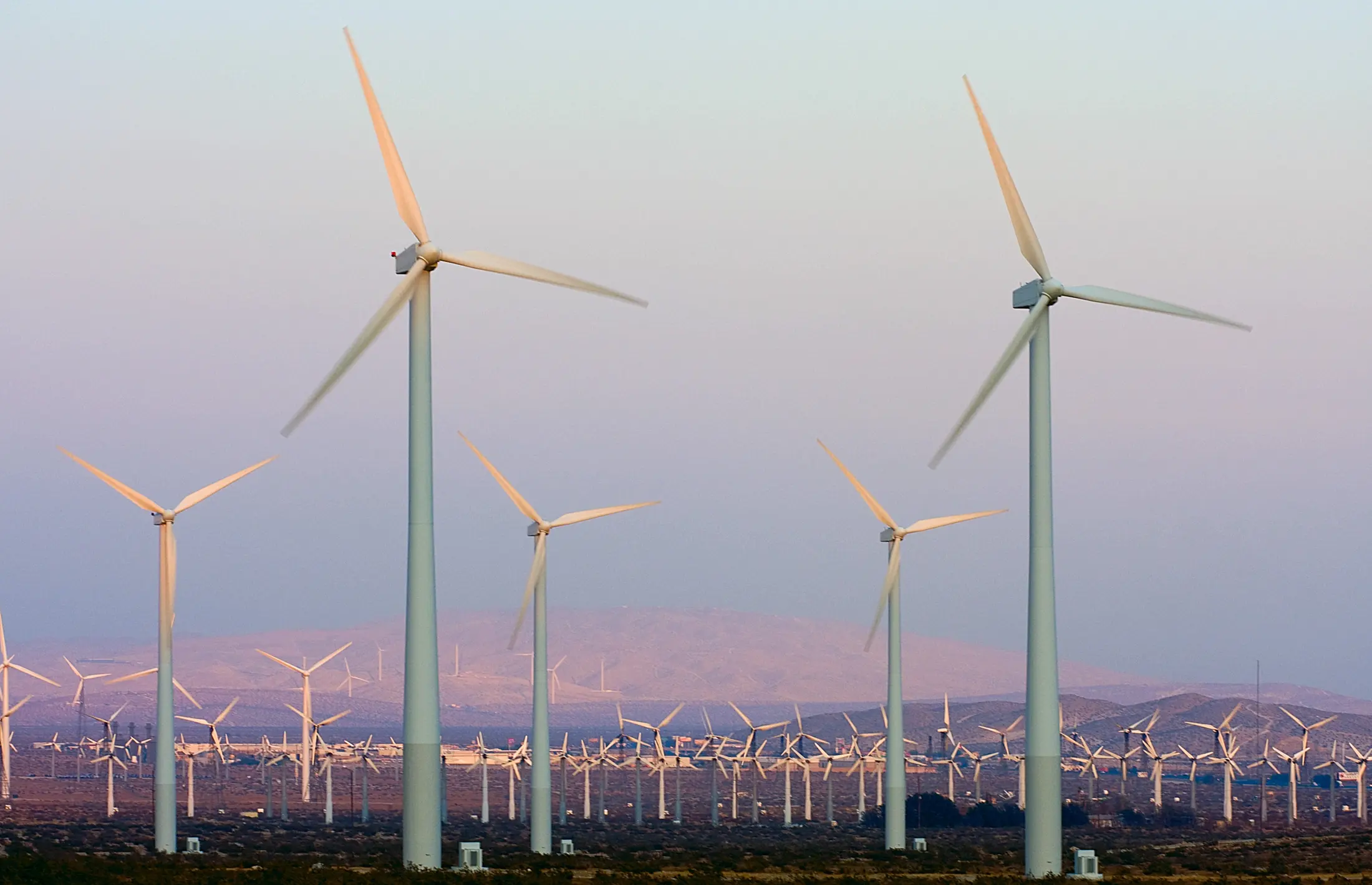
GHG Standards Tracker
A live view of the standards shaping corporate greenhouse gas accounting and disclosure.
Track ongoing developments across the GHG Protocol, ISO, SBTi, ISSB, EU and US frameworks. The independent dashboard brings together key updates, upcoming milestones, connections between standards and areas where accounting and disclosure requirements could diverge.
- GHG accounting
- Standards monitoring
- Policy intelligence
Technical study · 2026
02 / Member LibraryLife Cycle Assessment of e-NG
02Technical study
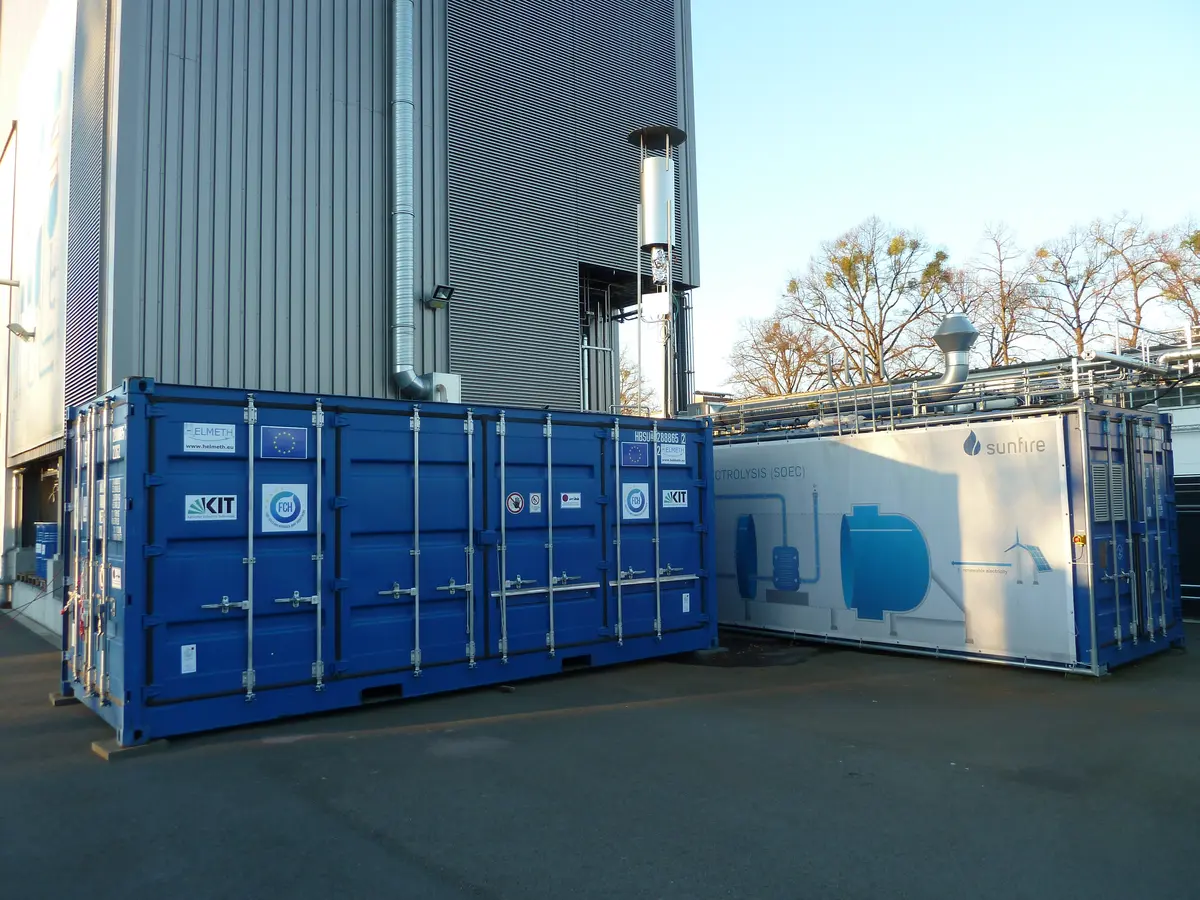
Life Cycle Assessment of e-NG
A detailed framework for understanding the greenhouse gas performance of e-NG across its full value chain.
The study follows the pathway from renewable electricity and hydrogen production through CO₂ sourcing, methanation, transport, liquefaction where relevant, and final use. It explains how system boundaries, electricity sourcing, allocation choices and transport assumptions can influence lifecycle results, helping members compare projects on a consistent basis.
- Lifecycle emissions
- System boundaries
- Value-chain comparison
Excel forecasting tool · 2026
03 / Member LibraryExcel Dynamic Tool
03Excel forecasting tool
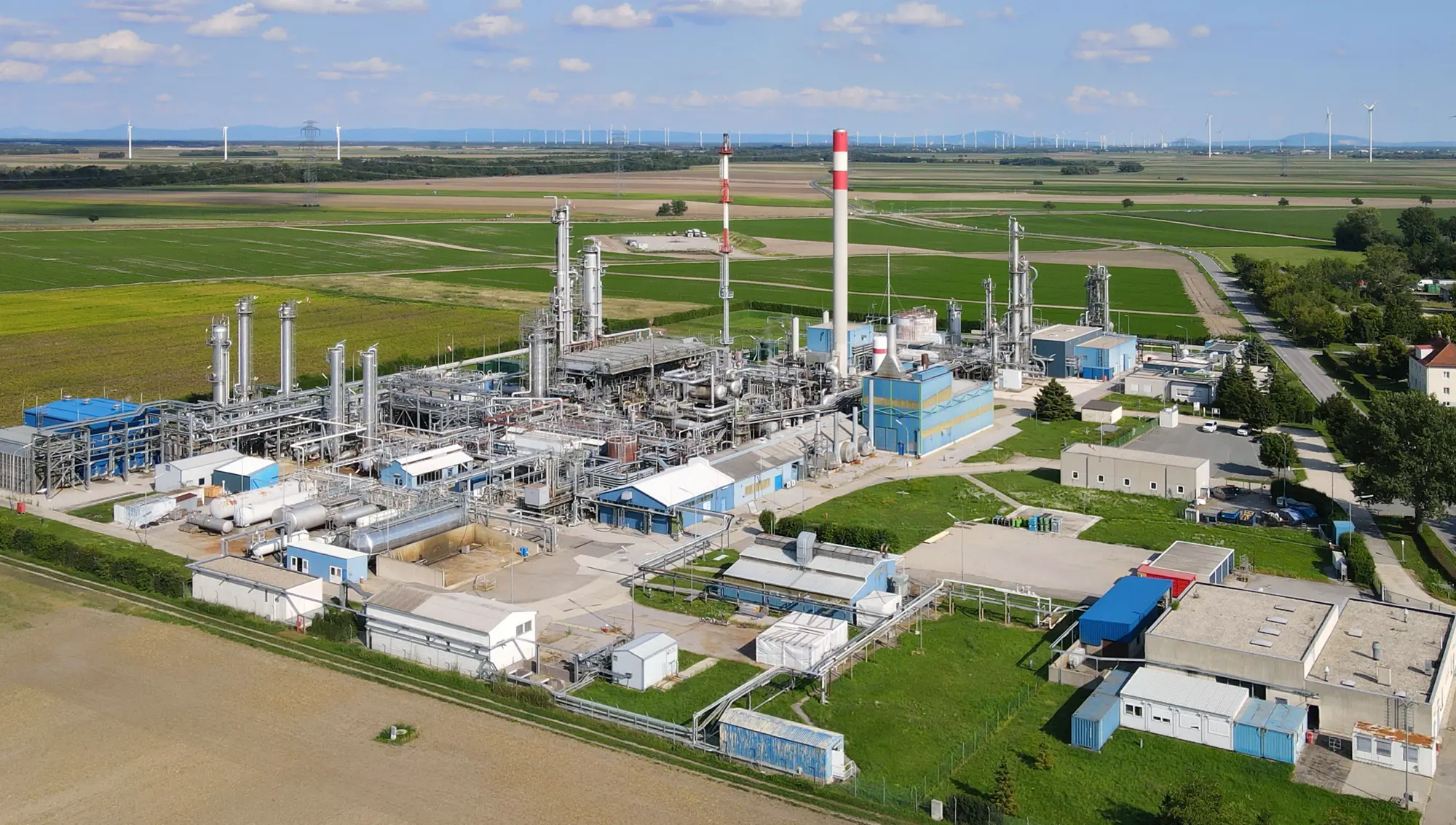
Excel Dynamic Tool
A dynamic Excel tool for running scenarios and forecasting how the lifecycle performance of e-NG compares with other molecules.
Members can adjust key assumptions and compare projected lifecycle emissions across different energy carriers, production pathways and time horizons. The tool supports transparent scenario testing, sensitivity analysis and evidence-based discussions on where e-NG can deliver the strongest decarbonization value.
- Scenario forecasting
- LCA comparison
- Sensitivity analysis
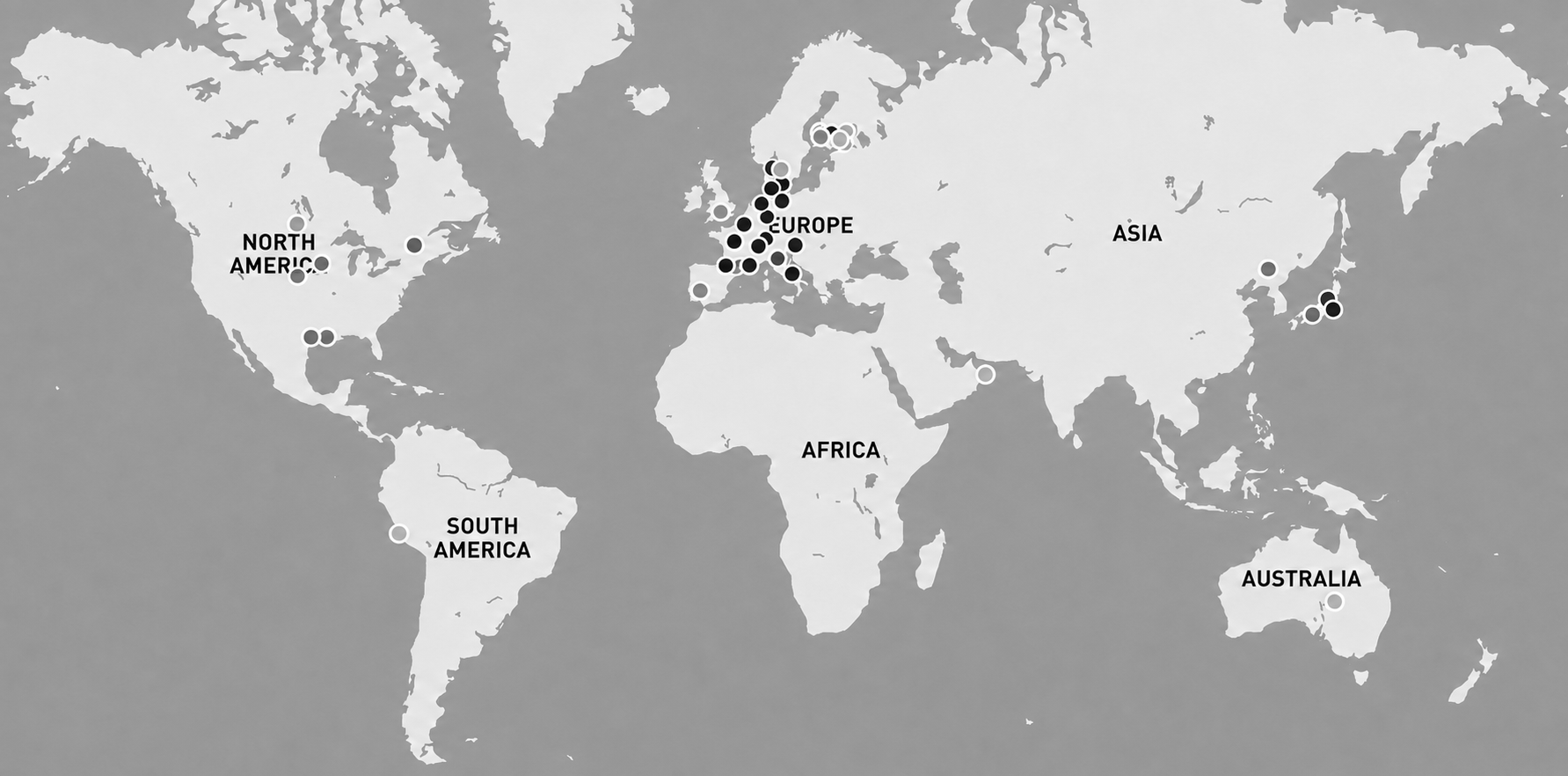
Interactive tool · 2026
04 / Member LibraryCost Modeling Tool
04Interactive tool
Cost Modeling Tool
A practical model for exploring the main variables that shape e-NG production and delivery costs.
The tool brings key project assumptions into one structured view so members can test how electricity prices, technology performance, plant utilization, CO₂ supply, financing and logistics affect the resulting cost of e-NG. It is designed to support scenario analysis, internal benchmarking and informed discussions across the value chain.
- Scenario analysis
- Cost drivers
- Project comparison
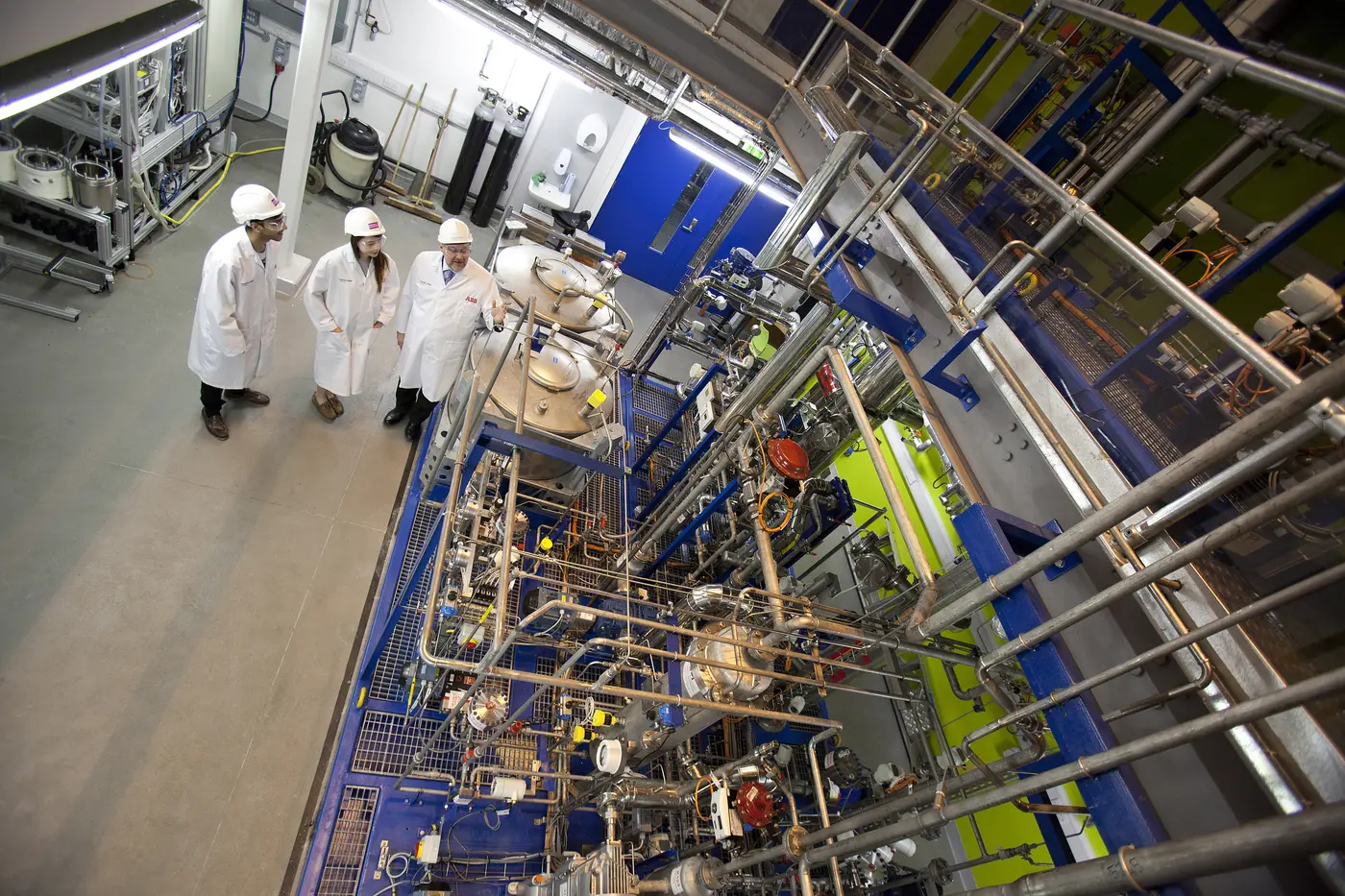
Market study · 2026
05 / Member LibraryCO₂ Sources within the EU
05Market study
CO₂ Sources within the EU
An overview of potential CO₂ sources for e-NG production across the European Union.
This resource examines the principal biogenic, industrial and atmospheric CO₂ pathways relevant to e-NG projects. It helps members consider availability, location, capture potential, traceability and regulatory treatment, while highlighting how the origin of CO₂ can affect project development and lifecycle emissions accounting.
- CO₂ availability
- Source categories
- EU regulatory context
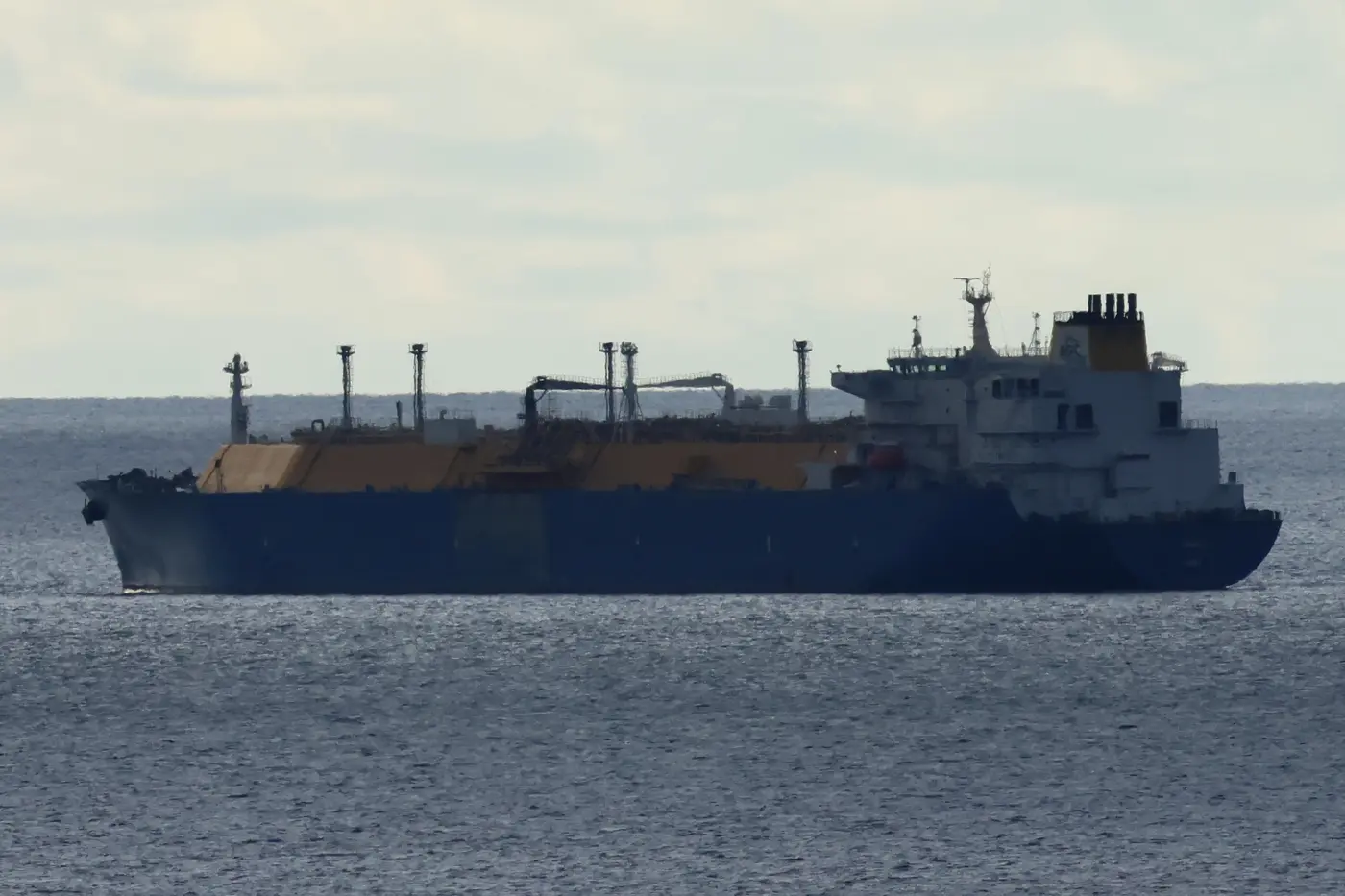
Regional report · 2026
06 / Member LibraryASEAN Report on Renewable Gas Targets
06Regional report
ASEAN Report on Renewable Gas Targets
A regional view of renewable gas ambition, policy signals and market opportunities across ASEAN.
The report brings together national targets, emerging policy frameworks, infrastructure considerations and priority demand sectors across Southeast Asia. It provides members with a clearer basis for tracking market readiness and understanding where e-NG and other renewable gases may contribute to energy security and decarbonization goals.
- National targets
- Market readiness
- Regional opportunities

Reference guide · 2026
07 / Member LibraryCertifications of Renewable Gases
07Reference guide
Certifications of Renewable Gases
A guide to the certification systems and traceability approaches relevant to renewable gases.
The guide compares key concepts used to demonstrate sustainability and origin, including guarantees of origin, chain-of-custody models, mass balance and lifecycle emissions reporting. It is intended to help members navigate different market requirements and identify the conditions needed for credible, interoperable cross-border claims.
- Certification systems
- Traceability
- Cross-border recognition
Further reading